
When Your Developer Gets Too Fancy: The Hidden Cost of Hard-Coded Websites
Originally published 10/8/2024 | Updated 3/15/2026
We’re in the middle of helping a client fix their broken website, and it’s a familiar story—parts of the site are unchangeable without completely rebuilding the page. Why? Because the developer hard-coded certain elements, making them impossible to edit with the chosen builder.
It’s something we see far too often: a design element that could have been implemented with a builder gets hard-coded instead. Why? Because someone decided to get "fancy."
Here's the problem—when developers take shortcuts like this, they aren’t thinking about the long-term impact on the client.
The result? A website that’s effectively unusable for the business owner. Something as simple as updating text or images turns into a time-consuming, expensive ordeal. It's not just frustrating, it's also unnecessary.
A little bit of forethought and collaboration between the developer, designer, and client could prevent this. There are almost always ways to achieve a beautiful design that also works within the builder’s framework, keeping the site user-friendly for the client. But when the focus is on flashy solutions instead of practical ones, the client's operational load increases, and they end up locked out of their own site.
It’s a huge pet peeve of mine because it’s entirely avoidable. A developer's job is not just to build a site—it’s to build one that empowers the client. Websites are meant to be living, breathing parts of your business, not static brochures that require a coding expert to update.
Why We Choose Squarespace
This is one of the reasons we use Squarespace as our chosen platform. Squarespace offers a flexible, user-friendly interface that allows us to create custom designs that are easy to develop and maintain. Instead of locking clients into uneditable custom code, we work within Squarespace’s design tools to ensure our clients can make changes when they need to, without having to rely on a developer for every tweak.
Squarespace provides the balance between design sophistication and ease of use. It empowers business owners by giving them control over their websites while still offering the ability to create stunning, custom layouts that reflect their brand. We believe in giving our clients a website they can not only be proud of but also manage independently.
The Myth About Squarespace and Small Businesses
There's a lingering myth that Squarespace is a "starter" platform — something you use until you get serious, then migrate away from when the real work begins. We'd like to respectfully disagree.
First, the growth phase argument: brands like Lyft and HBO used Squarespace during critical periods of their growth. Not because they couldn't afford something fancier — but because a clean, functional, editable site was exactly what they needed while they were building. Squarespace got them there. That's the platform doing its job.
Second, plenty of high-profile, design-forward brands are on Squarespace right now and have no plans to leave. Luxury fashion label Rodarte runs its full e-commerce experience on Squarespace. Arch Motorcycle — Keanu Reeves' bespoke performance bike company — uses it for a cinematic, premium brand presence. The San Francisco 49ers Foundation publishes on it. Veuve Clicquot has used it for brand campaigns. These aren't brands that settled. They chose it deliberately because it delivers beautiful, manageable, high-performing sites without handcuffing them to a developer for every update.
Over 4.9 million active subscriptions are currently running on Squarespace globally. The idea that it's "just for small businesses" is doing a lot of work to make complexity seem necessary when it isn't.
The real question was never how big is your company. It's do you want a site you can actually control? If the answer is yes, Squarespace deserves a serious look — regardless of where you are in your growth.


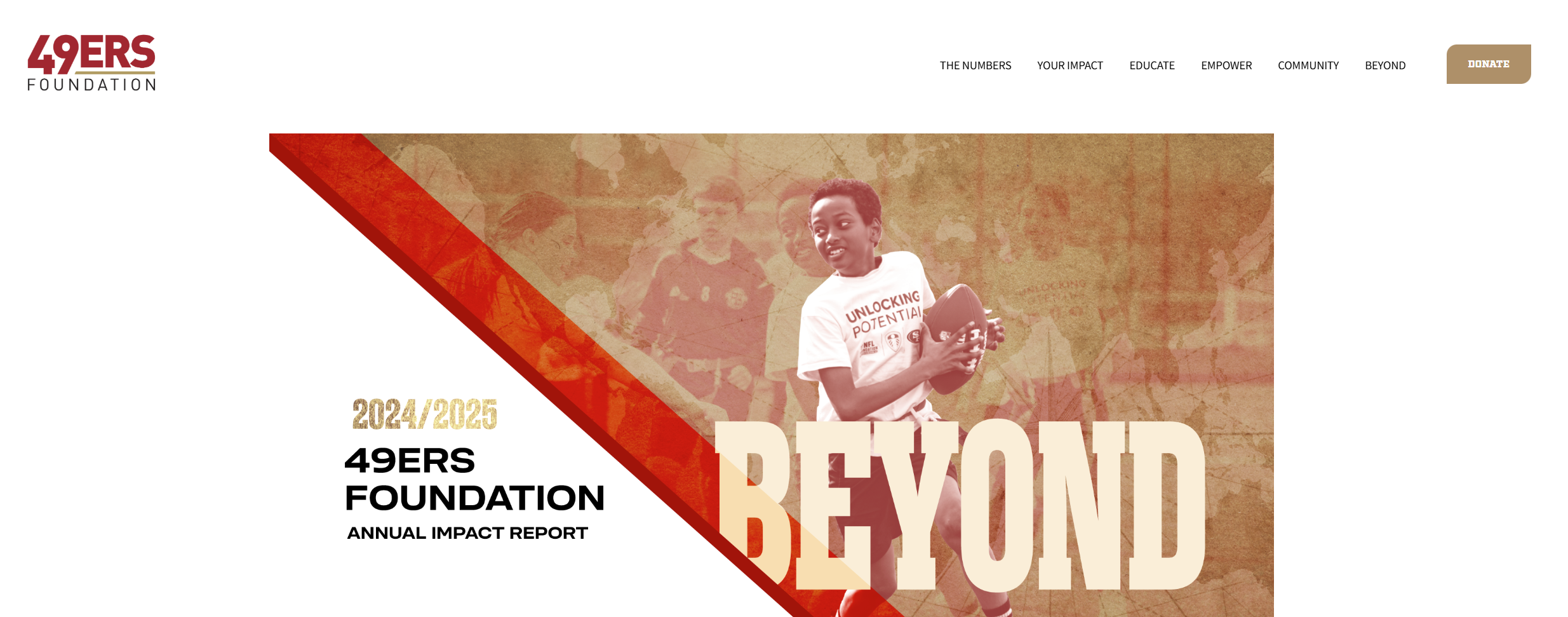
So, if someone tells you that Squarespace is too “small” for your needs, think again. It’s a robust platform capable of handling complex designs, e-commerce, and high-traffic sites while keeping things manageable for the client.
Empower Your Business, Don’t Handcuff It
At the end of the day, if your developer isn’t thinking about how you’ll manage the site after they’re done, that’s a red flag. A well-built site should work for you, not the other way around. This is why we’re so passionate about platforms like Squarespace—it’s not just about creating something that looks good, but something that works for the client in the long run.
If you're in the process of getting a website built or revamped, here’s a little advice: make sure your developer knows that the site needs to be easy to maintain. Ask them how you’ll make updates in the future. If they suggest a custom-coded solution that you won't be able to edit on your own, push back.
If you're in the middle of a website build — or dealing with a site you can no longer edit yourself — we should talk.We build on Squarespace because we believe your website should work for you, not the other way around. Beautiful, conversion-ready, and actually manageable.